Essential Tips for Roofing in Austin TX: What Every Homeowner Should Know
@theroofingaustintxjournal
October 26, 2026 · 6 min read
Living in Austin means dealing with a unique set of challenges when it comes to your home's roof. The intense Texas sun, sudden hailstorms, and occasional high winds can take a real toll. I've seen too many homeowners in this city wait until a small leak turns into a major interior disaster. The truth is, understanding the basics of roofing in austin tx is the first step to protecting your biggest investment. Whether you own a bungalow in Hyde Park or a modern home in the Domain, your roof needs attention that's specific to our climate.
I remember helping a friend in the Zilker neighborhood after a spring storm. What looked like a minor missing shingle turned into a three thousand dollar repair because water had been seeping in for weeks. That experience taught me that regular roof inspections are not optional here. They are a necessity. Many local contractors, including Austin Roofing Company, emphasize this point because they see the aftermath of deferred maintenance every day. A simple check of your gutters and flashing can save you from a much bigger headache down the road.
Why Local Climate Matters for Your Roof
The heat and UV radiation in Texas are brutal on roofing materials. Asphalt shingles that might last thirty years in a cooler climate often need replacement after fifteen to twenty years here. I've seen metal roofing hold up better in some cases, but it requires proper installation to handle expansion and contraction. The key is choosing materials rated for our specific weather patterns. Products from GAF, Owens Corning, CertainTeed, and TAMKO are common in this area because they offer lines designed for hot, sunny conditions. But even the best shingles need proper ventilation and underlayment to perform well.
Hail is another major factor. A storm can leave your roof looking like someone took a hammer to it. That's where storm damage restoration becomes critical. I've seen roofs where the damage was not immediately obvious, but a few months later the granules from the shingles started clogging the gutters and causing water backup. A professional roof inspection after any significant hail event is a smart move. It's also worth noting that many insurance policies require you to report damage within a certain window, so acting quickly is key. Some contractors offer insurance claim assistance to help you navigate that paperwork, which can be a huge relief when you are already stressed about the damage.

Signs You Need a Roof Repair or Replacement
Not every issue requires a full roof replacement. Sometimes a targeted roof repair is all you need. I've seen cases where a single damaged section around a skylight was letting in water, but the rest of the roof was in good shape. A good contractor can often replace just that section and match the existing shingles closely enough that you won't notice. But there are signs that a full replacement is coming. If your shingles are curling, cracking, or losing granules in multiple areas, it's time to start budgeting. Also check your attic after a rain. If you see daylight through the roof deck or notice damp insulation, that's a red flag.
Another clue is the age of your roof. Most asphalt shingle roofs in Austin last about twenty years if they were installed well. If yours is approaching that age, start planning for a roof replacement. It's better to do it on your schedule than in an emergency after a storm. I've talked to homeowners who waited too long and ended up with water damage to their walls and ceilings, which added thousands to the total cost. A proactive approach is always cheaper in the long run.
Choosing the Right Materials for Austin Homes
When it comes to materials, you have several good options. Asphalt shingles are the most common for residential roofing because they balance cost and durability. They come in a range of colors and styles, and brands like GAF and Owens Corning offer architectural-grade lines that look great. Metal roofing is another choice, especially for modern or commercial designs. It reflects heat well and can last fifty years or more, but it is more expensive upfront and can be noisy during hailstorms unless you add insulation. I've seen metal roofs perform beautifully on commercial roofing projects, especially on flat or low-slope buildings.
For homeowners interested in energy-efficient roofing, reflective shingles or metal panels can lower your cooling bills in the summer. The IBHS (Insurance Institute for Business and Home Safety) has guidelines for roofs that can withstand high winds and hail, and many Austin contractors follow those standards. It's worth asking your roofer about impact resistance and wind ratings. FEMA also publishes recommendations for roofing in storm-prone areas, and those can be a helpful reference when discussing options with your contractor.

The Role of Gutters and Skylights
Gutters are often overlooked, but they play a huge role in protecting your roof and foundation. If your gutters are clogged, water can back up under the shingles and cause rot. I always recommend cleaning them at least twice a year, especially after the oak trees drop their leaves. Also check the downspouts to make sure they are directing water away from your foundation. Skylights add great natural light, but they need proper flashing to prevent leaks. I've seen poorly installed skylights cause persistent problems that were hard to diagnose. If you have skylights, include them in your annual roof inspection.
Working with a Professional Roofer
Finding the right contractor is crucial. Look for someone with local experience who understands the specific demands of roofing in austin tx. Ask for references and check online reviews. A good roofer will walk you through the options for your budget and explain why certain materials work better for your home's style and exposure. They should also be transparent about warranties and workmanship guarantees. I've seen too many homeowners go with the cheapest bid and end up with leaks a year later. Paying a little more for quality installation is almost always worth it.
Also consider the value of insurance claim assistance if you are dealing with storm damage. Some contractors, like Austin Roofing Company, offer this as part of their service. It can make the difference between a smooth process and a frustrating one. They know the language insurance companies use and can help document the damage properly, which often leads to a faster claim approval.
Planning for the Long Term
Your roof is a long-term investment. With proper maintenance and timely repairs, it can easily last twenty-five years or more in the Austin climate. I've seen homes with metal roofing that are still going strong after forty years. The key is to stay proactive. Schedule a professional roof inspection every year or two, especially after major storms. Keep your gutters clean and trim overhanging tree branches that can scrape the shingles. And when it is time for a replacement, choose quality materials and an experienced installer. That combination will give you peace of mind through every Texas summer and every spring storm.
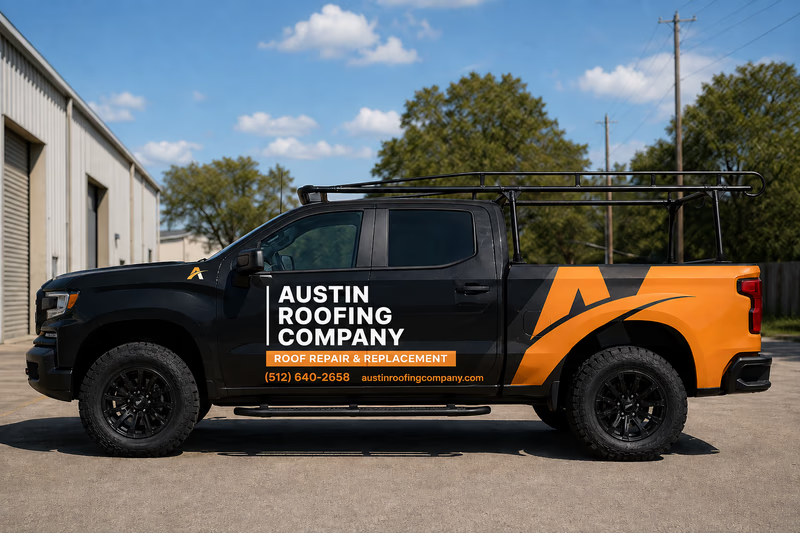
Understanding the basics of roofing in austin tx is not complicated, but it does require paying attention to the details. Your roof is your home's first line of defense against the elements. Treat it well, and it will protect you for decades.